Air Fryer Cauliflower: From Basic to Addictive in 5 Steps
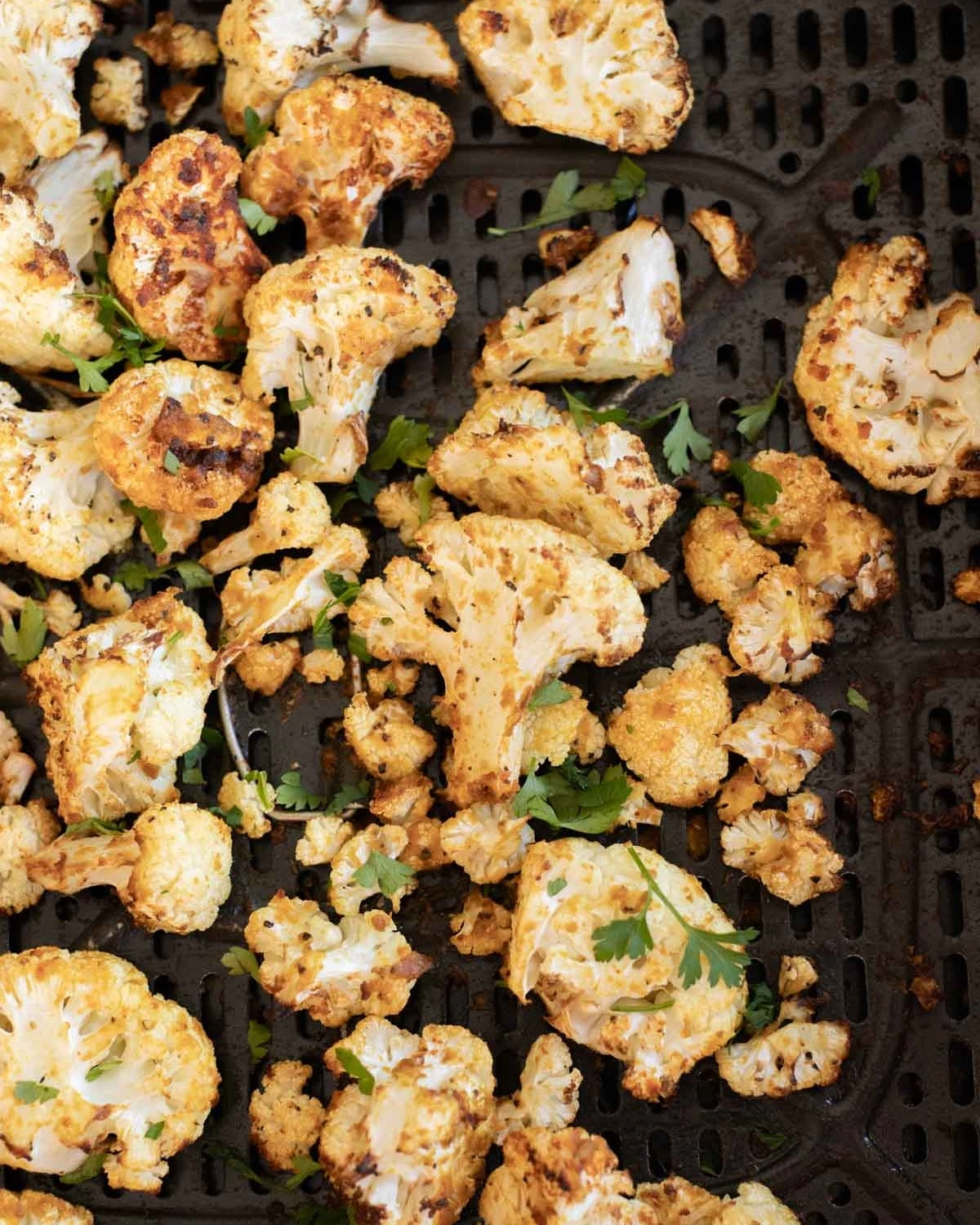
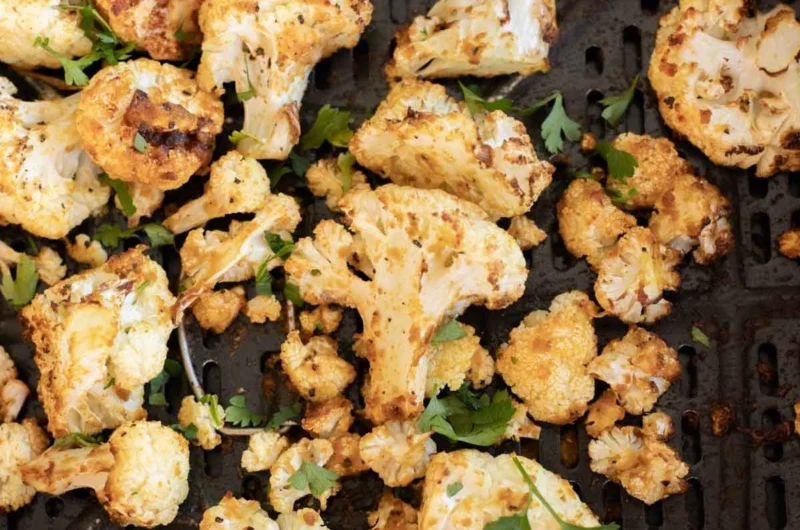
I started making air fryer cauliflower because I wanted a side that didn’t feel like an afterthought. The first batch was fine. The second was better. By the third, I stopped calling it a side at all. The edges browned, the inside held its shape, and I kept reaching back into the basket without meaning to.
What changed wasn’t the ingredient. It was how I handled it. A few small choices that turned plain cauliflower into something with real bite. Five steps that took it from basic to something I actually looked forward to making again.
Ingredients for Air Fryer Cauliflower
- 1 large head cauliflower, cut into florets
- 3 tbsp olive oil
- 1 tbsp cornstarch
- 1 tsp garlic powder
- 1 tsp paprika
- ½ tsp black pepper
- ½ tsp salt
How to Make Air Fryer Cauliflower
This is one of those recipes where the prep does most of the work. Once the cauliflower is coated and in the basket, it’s really about letting the air fryer do what it does best. I’ve learned that rushing this part only leads to uneven results, so I slow it down just enough.
Cut and Dry the Cauliflower
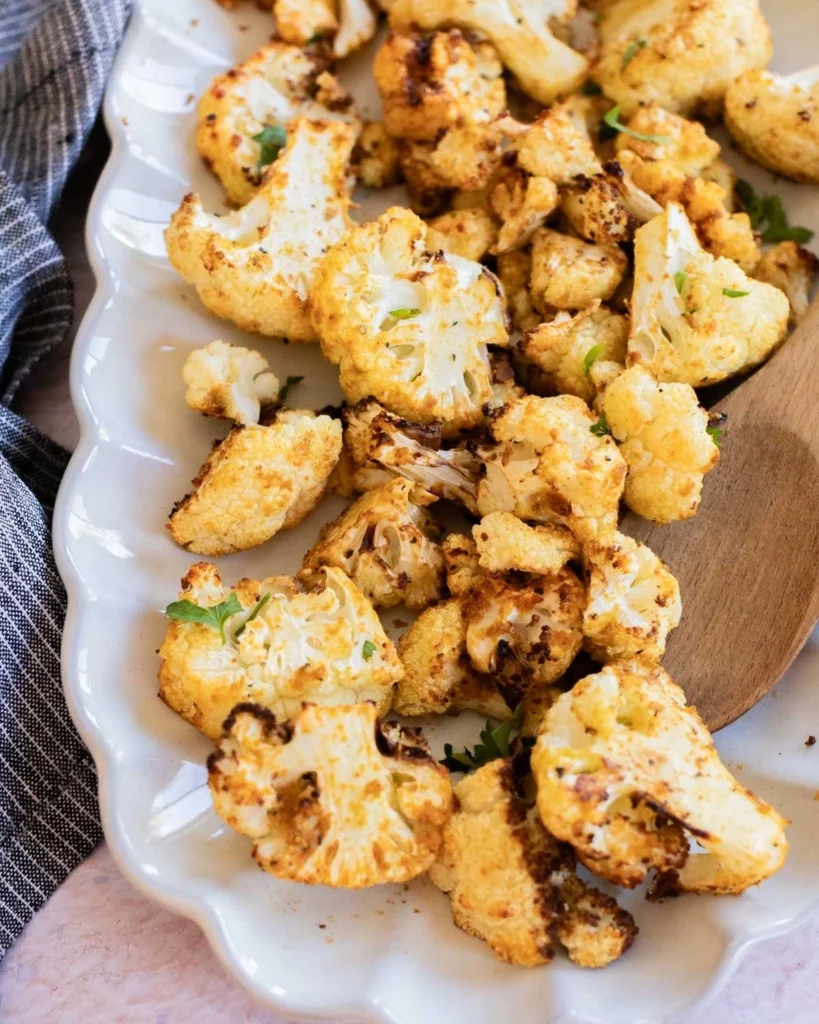
I break the cauliflower into bite sized florets and make sure they’re fully dry. Any moisture left on the surface gets in the way later. I usually pat them down with a towel and give them a minute to air dry.
Coat Evenly
I add the florets to a bowl with olive oil, cornstarch, and all the seasonings. Then I toss until everything is lightly coated. I’m not looking for heavy coverage here, just enough to change the surface.
Arrange in the Basket
I spread the cauliflower in the air fryer basket in a single layer. I leave space between pieces so the hot air can move freely. If the basket feels crowded, I cook in batches.
Air Fry and Shake
I cook the cauliflower at 400°F and shake the basket halfway through. This helps the edges brown evenly and keeps any one side from getting too dark.
Finish and Serve
Once the cauliflower looks set and the edges feel firm, I pull it out and serve it right away. This is when it’s at its best.
5 Steps That Turn Cauliflower into a Crave-Worthy Bite
I didn’t change the cauliflower. I changed how I treated it. That’s what made the difference. Drying it properly, coating it lightly, and giving it space in the basket all added up in a way I didn’t expect at first. Each step on its own feels small, but together they completely shift the result.
What I like about these steps is that they’re easy to repeat. No guessing. No adjusting mid cook. Once you follow them in order, the cauliflower comes out with structure and bite instead of going soft halfway through. It’s the kind of process that makes you trust the result before you even take the first piece out.
Easy Flavor Twists You Can Try
After a few batches, I stopped seasoning this the same way every time. Not because the base needed fixing, but because it was easy to change without breaking anything. A different spice mix. A little heat. Even a quick finish with something sharp at the end. Small changes like that make it feel new.
The best part is that the method stays the same. You don’t have to rethink the process or adjust the timing. Just switch the flavor direction and keep moving. It works whether you keep it simple or push it a little, and that’s what makes this one easy to repeat.
How to Serve Air Fryer Cauliflower
I usually decide this once it’s already out of the basket. Sometimes it goes straight onto a plate and that’s it. Other times I treat it like a base and build around it with whatever else is ready. It fits in easily without asking for much attention.
It also works well when you need something flexible. I’ve added it to bowls, tucked it into wraps, and served it next to just about anything without overthinking it. The pieces hold their shape, so they don’t get lost once they’re paired with something else. That’s what makes it easy to keep in rotation.
Keeping Leftovers Crispy
Leftovers work best when you slow down for one minute before storing them. I let the cauliflower cool completely, then move it into a container without stacking it too tightly. Trapping steam is the fastest way to lose the texture you worked for, so a little breathing room helps more than you’d think.
When it’s time to eat it again, the air fryer is the only thing I use. A few minutes at a high temperature brings the edges back without drying everything out. I skip the microwave every time. It softens the surface and takes away what made it good in the first place.
Nutritional Information
I treat this as a general guide, not a strict count. These values are an estimate for one serving, based on average portions and the ingredients used. Seasoning amounts and oil absorption can change the numbers slightly.
Calories: about 150 kcal
Fat: about 9 g
Saturated Fat: about 1.5 g
Carbohydrates: about 14 g
Fiber: about 4 g
Sugar: about 3 g
Protein: about 4 g
Sodium: about 280 mg
Frequently Asked Questions
Why are some florets browning faster than others?
This usually comes down to size. Smaller pieces cook and brown faster, while larger ones take longer. I try to keep the florets as even as possible so everything finishes at the same time. Shaking the basket halfway through also helps even things out.
Should I wash the cauliflower right before cooking?
You can wash it, but it needs to be fully dry before seasoning. Any water left on the surface turns into steam in the air fryer. I usually wash it earlier, let it drain, then dry it well before coating.
Can I use frozen cauliflower for this recipe?
Fresh works much better here. Frozen cauliflower releases water as it cooks, which makes it hard to get good edges. If frozen is your only option, expect a softer result and cook in very small batches.
Why does my seasoning fall off during cooking?
This happens when the coating is too dry or uneven. A light layer of oil helps the seasoning stick. Tossing gently instead of aggressively also keeps the coating where it belongs.
Is this better eaten right away or after resting?
This one is best straight from the air fryer. The edges are at their peak right when it’s done. Waiting too long lets steam soften the surface, so I serve it as soon as it’s ready.
Air Fryer Cauliflower: From Basic to Addictive in 5 Steps
Course: All by Emily4
servings10
minutes15
minutes600
kcalAir fryer cauliflower made with a simple coating and five clear steps that change the texture from soft to firm with browned edges. This method focuses on prep, spacing, and timing so the cauliflower holds its bite instead of turning limp.
Ingredients
1 large head cauliflower, cut into florets
3 tbsp olive oil
1 tbsp cornstarch
1 tsp garlic powder
1 tsp paprika
½ tsp black pepper
½ tsp salt
Directions
- Cut the cauliflower into evenly sized florets and dry them thoroughly.
- Add florets to a bowl with olive oil, cornstarch, garlic powder, paprika, salt, and pepper. Toss until lightly coated.
- Preheat the air fryer to 400°F.
- Arrange cauliflower in a single layer in the basket, leaving space between pieces.
- Air fry for 15 minutes, shaking the basket halfway through cooking.
- Remove once edges look set and the pieces feel firm to the touch. Serve immediately.
Notes
- Dry cauliflower is key for better browning.
- Avoid overcrowding the basket. Cook in batches if needed.
- Reheat leftovers in the air fryer to bring the texture back.