Pumpkin Cheesecake Recipe: 4 Tricks for Perfect Texture
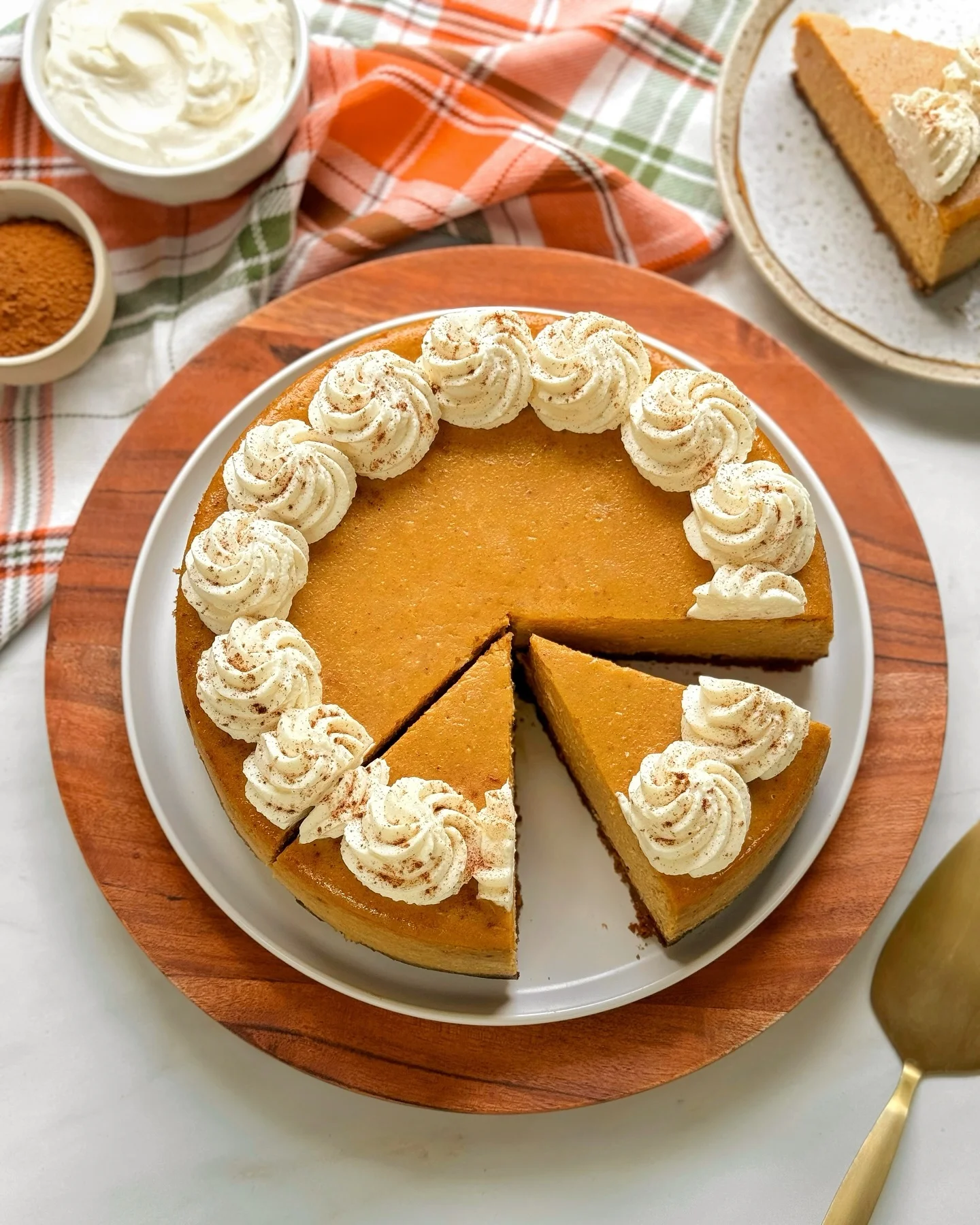
Pumpkin cheesecake has a way of bringing a little excitement to the table. It mixes the creaminess of classic cheesecake with the gentle flavor of pumpkin, and the result feels special every time. What surprises most people is how simple it is to make. A few basic steps, a quick mix of ingredients, and your kitchen slowly fills with the sweetest aroma. The pumpkin blends into the batter so nicely and gives the cheesecake a soft, balanced flavor without making it too heavy. Once it cools and sets, every slice comes out smooth and neat, the kind of dessert that looks like you put in more effort than you actually did. It’s perfect for gatherings, holidays, or anytime you want a dessert that feels a little extra without being complicated. With a few smart tricks, you’ll get that perfect texture again and again.
Ingredients List
You only need a simple set of ingredients to bring this pumpkin cheesecake together. Everything blends smoothly, nothing feels complicated, and each item helps build that creamy, seasonal flavor. The best part is that most of these ingredients are easy to find and come together without much effort. Once you gather them, the batter mixes beautifully and the cheesecake sets with a clean, even texture. Here’s what you’ll need:
- 2 cups cream cheese softened
- 1 cup pumpkin purée
- ¾ cup granulated sugar
- 2 large eggs
- 1 teaspoon vanilla extract
- 1 teaspoon cinnamon
- ½ teaspoon nutmeg
- ½ teaspoon ginger
- ¼ teaspoon cloves
- 1 tablespoon cornstarch
- 1 cup graham cracker crumbs
- 4 tablespoons melted butter
- 2 tablespoons brown sugar
These ingredients combine into a smooth, flavorful batter that bakes into a beautiful pumpkin cheesecake with a steady, well-balanced taste in every slice.
How to Prepare Pumpkin Cheesecake
Make the Crust
Combine the graham cracker crumbs with the melted butter and brown sugar in a bowl. The mixture should feel slightly damp and easy to press together. Transfer it to your springform pan and press it down firmly to create an even base. A spoon or the bottom of a glass helps make the crust smooth and neat. Once it looks well packed, set it aside while you prepare the filling.
Blend the Cheesecake Base
Place the softened cream cheese in a mixing bowl and beat it until it turns smooth and creamy. This helps prevent lumps later. Add the sugar and blend again, then mix in the eggs one at a time so the batter stays light and even. The mixture should look glossy and smooth once everything is combined.
Add the Pumpkin and Spices
Pour in the pumpkin purée and add the cinnamon, nutmeg, ginger, cloves, vanilla, and cornstarch. Mix gently so the spices blend in fully and the batter turns a warm pumpkin color. Everything comes together quickly, and the texture stays silky and easy to pour.
Fill the Pan and Smooth the Top
Pour the batter over the prepared crust and spread it out evenly. A small tap on the counter helps release air bubbles hiding inside, which gives the cheesecake a smoother finish once baked.
Bake Until Set
Place the cheesecake in the oven and bake until the center looks mostly set with a soft wobble in the middle. That little bit of movement is completely normal and keeps the texture soft once it cools. Avoid baking until it becomes firm all the way through.
Cool and Chill Before Serving
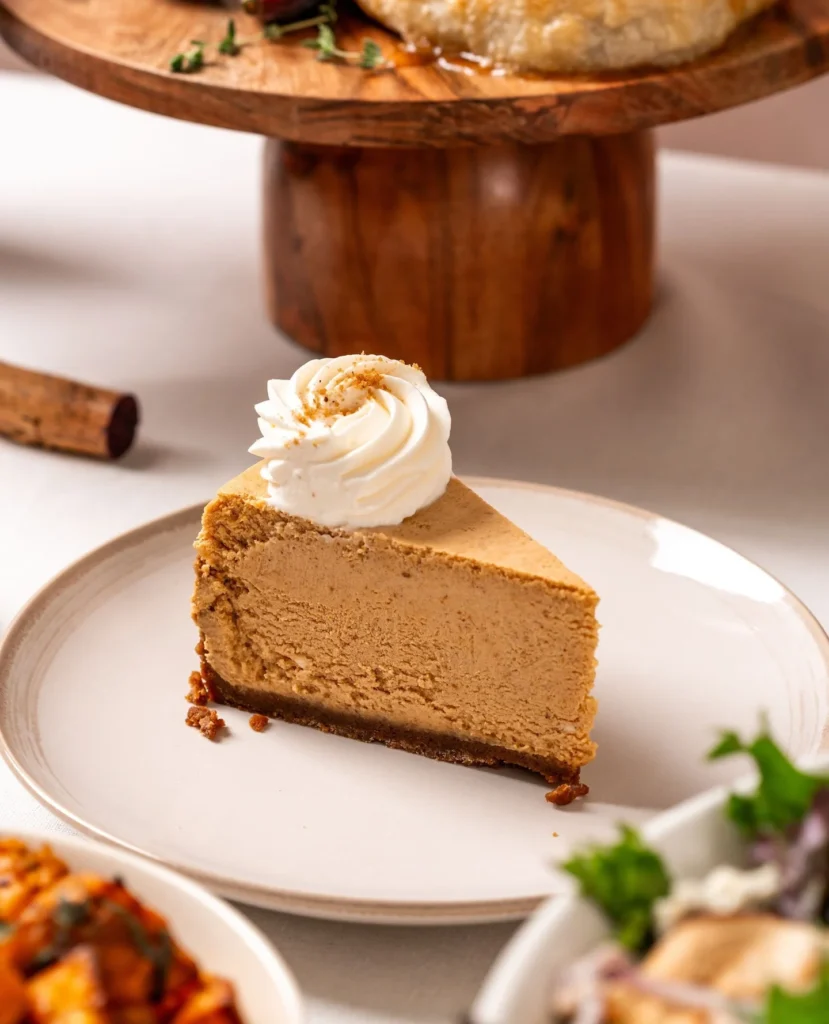
Let the cheesecake cool at room temperature, then place it in the fridge to chill. This slow, gentle cooling helps prevent cracks and gives the cheesecake time to firm up. After a few hours, the slices cut cleanly and hold their shape beautifully.
4 Tricks for Perfect Texture
A great pumpkin cheesecake really starts with the little details. When the cream cheese is fully softened, it blends so easily and gives you a smooth base without any lumps. It also helps the pumpkin mix in beautifully, which keeps the batter nice and even. While mixing, keep things gentle. You only need to blend until everything looks combined. Too much mixing adds extra air, and that can change the way the cheesecake sets later. With a light hand, the batter stays creamy and balanced from the start.
The rest of the texture comes from baking it the right way. Take the cheesecake out of the oven while the center still has a soft wobble. That little movement is exactly what gives you a creamy finish once it cools and chills. After that, let it cool slowly on the counter. Moving it straight to the fridge can cause cracks and uneven setting. A calm, gradual cool keeps the top smooth and helps the slices come out clean and steady. Once chilled, the cheesecake cuts beautifully and tastes even better the next day.
Variations
Pumpkin cheesecake is already delicious on its own, but it’s fun to switch things up when you’re in the mood for something a little different. One easy twist is adding a swirl of chocolate into the batter before baking. It creates pretty patterns and brings a rich flavor that pairs surprisingly well with pumpkin. You can also mix in a bit of maple syrup for a deeper sweetness that tastes especially nice during fall. Even small changes like using a gingersnap crust instead of graham crackers can give the cheesecake an entirely new personality.
If you want something lighter, try folding a small amount of whipped cream into the batter for a softer, mousse-like texture. Or keep things simple by topping the chilled cheesecake with caramel, toasted pecans, or a light cinnamon sugar sprinkle. These little touches take only a minute but make every slice feel a bit more special. It’s the kind of recipe you can play with easily and still end up with something everyone loves.
Nutritional Information
It’s always helpful to know what each slice includes, especially with a dessert like cheesecake. The numbers stay fairly simple, and they give you a clear idea of what you’re enjoying. Here’s a quick breakdown for one average slice:
- Calories: About 320 to 380
- Protein: Around 5 to 7 grams
- Fat: Close to 22 to 26 grams
- Carbohydrates: Around 28 to 32 grams
- Sugar: About 20 to 24 grams
- Fiber: Less than 2 grams
- Cholesterol: Around 60 to 80 mg
- Sodium: Depends on the crust and added ingredients
These values can shift slightly based on crust thickness, sugar adjustments, and portion sizes, but this gives you a clear and simple idea of what’s in each slice.
Storage & Reheating Instructions
Pumpkin cheesecake stores beautifully, so you never have to worry about leftovers going to waste. Once it has chilled completely, cover the pan or place the slices in an airtight container and keep them in the fridge. They stay fresh for four to five days, and the flavor actually deepens a little as it rests. If you like planning ahead, you can also freeze individual slices. Just wrap them gently and place them in a freezer-safe container. When you thaw them later, they hold their shape well and taste just as good.
Cheesecake doesn’t really need reheating, but if you enjoy it just slightly warmer, let a slice sit on the counter for a little while. The texture softens nicely and tastes almost like it was freshly made. Try to avoid microwaving because it can melt the top and change the texture too quickly. A gentle rest at room temperature is usually all it needs.
Frequently Asked Questions
Can I use fresh pumpkin instead of canned pumpkin purée?
Yes, you can use fresh pumpkin if you prefer. Just make sure it’s cooked, mashed, and completely smooth before adding it to the batter. Fresh pumpkin has a little more moisture, so you may need to drain it lightly with a paper towel to keep the cheesecake texture steady.
Why did my cheesecake crack on top?
Cracks usually happen when the batter is overmixed or the cheesecake cools too quickly. Mixing gently and letting it cool slowly on the counter helps a lot. The good news is that cracks don’t affect the taste at all, and toppings like whipped cream or caramel cover them easily.
How do I know when the cheesecake is done?
The best sign is a soft wobble in the center. The edges should look set, but the middle should jiggle slightly when you tap the pan. It finishes setting as it cools, which is what keeps the texture creamy.
Can I make the cheesecake a day ahead?
Absolutely. Pumpkin cheesecake is actually better the next day. The flavors settle in, the texture firms up, and the slices cut much cleaner. Making it ahead is a great idea, especially for gatherings or holidays.
Do I have to use a water bath?
You don’t have to. Pumpkin cheesecake bakes well without a water bath, especially if you keep the oven temperature steady and avoid overbaking. If you prefer an extra-smooth finish, you can use one, but it’s not required for this recipe.
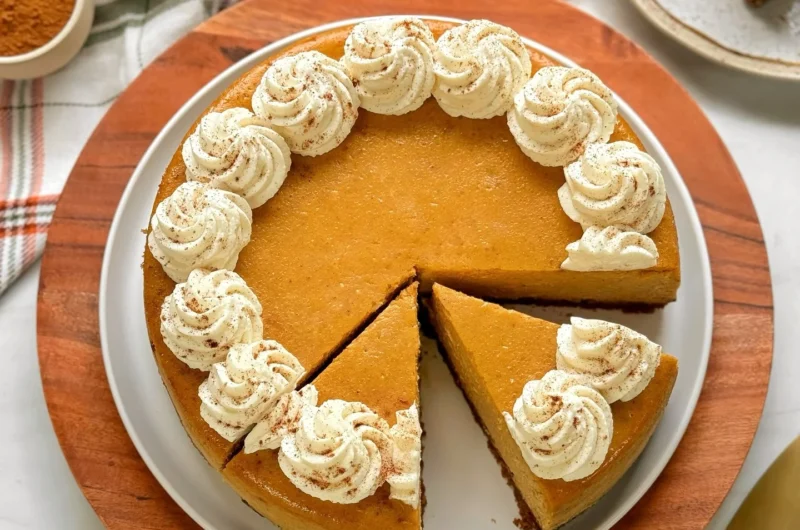
Pumpkin Cheesecake Recipe: 4 Tricks for Perfect Texture
Course: Pumpkin Recipes8 slices
servings15
minutes50
minutes2560 to 3000
kcalA smooth and creamy pumpkin cheesecake made with warm spices and a classic graham cracker crust. The batter blends easily, bakes evenly, and sets beautifully with just a few simple tricks. Perfect for holidays, gatherings, or anytime you want a dessert that feels special without extra effort.
Ingredients
2 cups cream cheese, softened
1 cup pumpkin purée
¾ cup granulated sugar
2 large eggs
1 teaspoon vanilla extract
1 teaspoon cinnamon
½ teaspoon nutmeg
½ teaspoon ginger
¼ teaspoon cloves
1 tablespoon cornstarch
1 cup graham cracker crumbs
4 tablespoons melted butter
2 tablespoons brown sugar
Directions
- Combine graham cracker crumbs, melted butter, and brown sugar. Press into a springform pan to form the crust.
- Beat softened cream cheese until smooth. Add sugar, then mix in the eggs one at a time.
- Add pumpkin purée, vanilla, cinnamon, nutmeg, ginger, cloves, and cornstarch. Mix gently until combined.
- Pour the batter over the crust and smooth the top.
- Bake at 325°F until the center has a soft wobble.
- Let the cheesecake cool at room temperature, then chill in the fridge before slicing.
Notes
- Soften the cream cheese fully for the smoothest batter.
- Don’t overmix to avoid extra air in the cheesecake.
- Let it cool slowly to prevent cracks, and chill for a few hours for the best texture and clean slices.