Hamburger Buns Recipe: 5 Secrets for Bakery-Style Softness
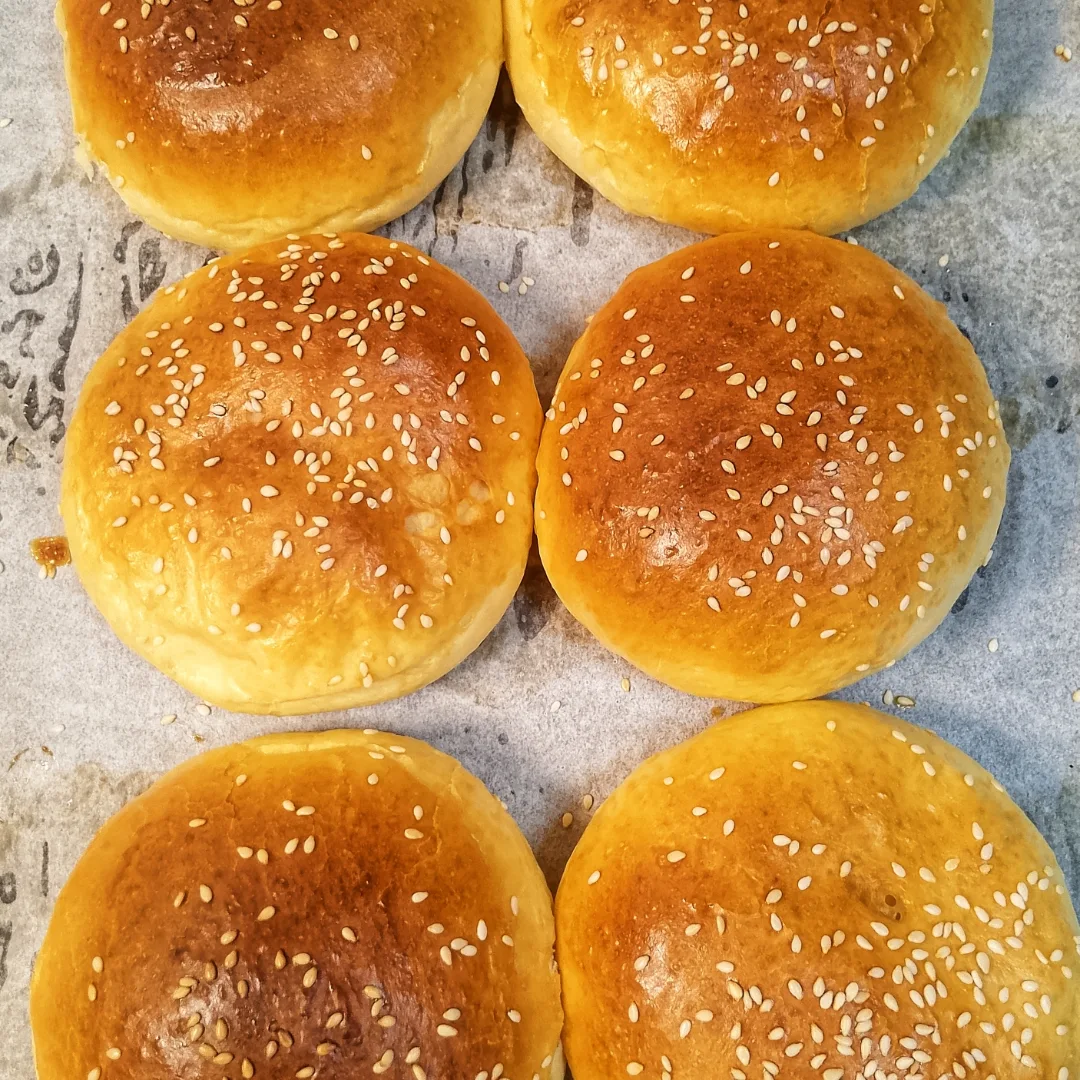
Homemade hamburger buns have a way of changing how you feel about burgers altogether. The first time I baked these, I didn’t expect much. I just wanted something soft, fresh, and better than store-bought. What came out of the oven surprised me. Light, pillowy buns with a gentle sweetness and a texture that made even a simple burger feel special.
This recipe is all about getting that bakery-style softness without making things complicated. A few simple ingredients, a handful of small tricks, and a little patience are all it takes. If you’ve ever pressed down on a bun and wished it would bounce right back, you’re going to love what’s coming next.
Ingredients List for Hamburger Buns
Making hamburger buns at home feels much easier once everything is laid out and ready. These are simple, everyday ingredients that come together to create soft, bakery-style buns without any fuss. If you enjoy baking bread even a little, this list will feel very familiar and comforting.
- 1 cup warm milk
- 2¼ teaspoons active dry yeast
- 3 tablespoons sugar
- 4 tablespoons unsalted butter, softened
- 1 large egg
- 1 teaspoon salt
- 3½ cups all-purpose flour
- 1 tablespoon sesame seeds optional
How To Make Hamburger Buns
Making hamburger buns at home is a slow and simple process that feels comforting from start to finish. There’s no need to hurry. Each step flows naturally into the next, and with a little patience, you’re rewarded with soft, fresh buns that make any meal feel more special.
Bringing the dough together
Everything starts with waking up the yeast. Warm milk, a little sugar, and yeast come together and rest for a few minutes until they look foamy and alive. That’s your sign things are going in the right direction. Once the butter, egg, salt, and flour join in, the dough slowly comes together into something soft and slightly sticky.
Kneading until smooth
This part is all about feel. The dough is worked until it turns smooth, stretchy, and easy to handle. It should feel soft under your hands, not dry or stiff. A little kneading goes a long way here and helps give the buns that light, bakery-style texture.
Letting the dough rise
After kneading, the dough needs time to relax and grow. Covered and left in a warm spot, it slowly doubles in size and becomes airy and puffy. This quiet resting time is what gives the buns their soft interior, so it’s worth the wait.
Shaping the buns
Once risen, the dough is divided and gently shaped into smooth rounds. Each piece is tucked and rolled until the surface feels even. Placed on a baking tray, they already start to look like real buns, which is always a satisfying moment.
Final rise and baking
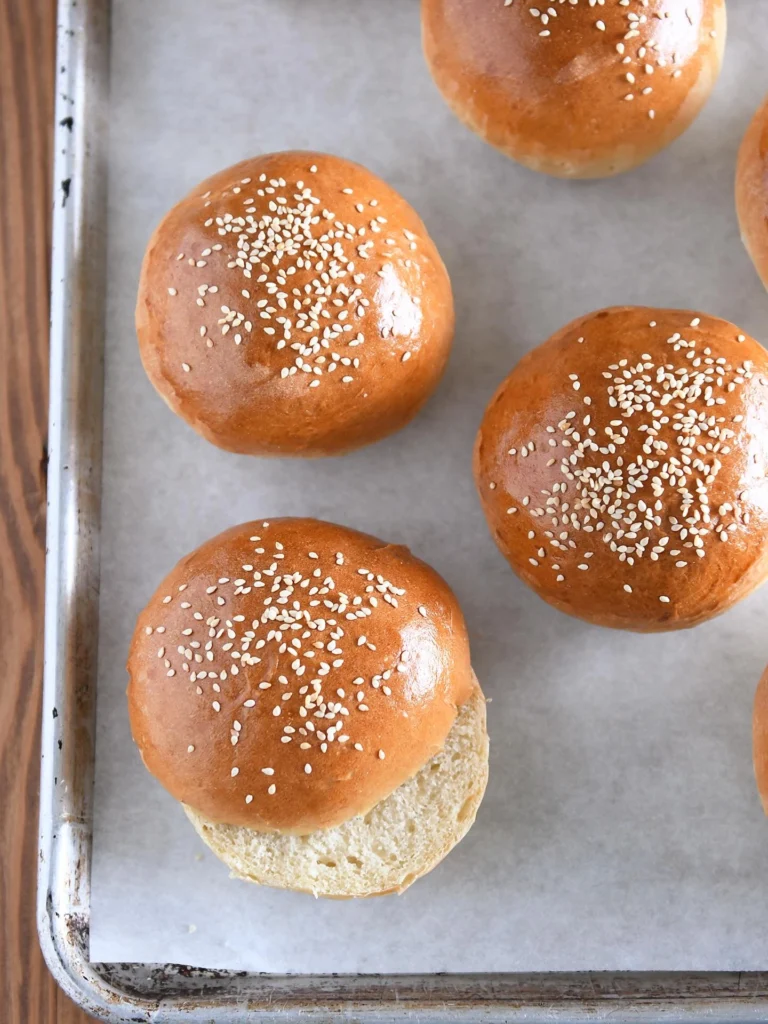
The shaped buns rest again briefly, then head into the oven. As they bake, they puff up beautifully and turn lightly golden on top. When they come out, soft and warm, they’re ready to cool just enough before slicing and filling.
Yeast That is Perfect for Hamburger Buns
When I make hamburger buns, yeast is something I pay close attention to because it really decides how soft the buns turn out. I usually go with active dry yeast because it’s easy to work with and gives me consistent results every time. As long as I mix it with warm milk and give it a few minutes to wake up, the dough rises beautifully and feels light and airy.
If I’m short on time, instant yeast also works well for me. I like that it skips the blooming step and still gives the buns a great rise. Whichever yeast I use, I always make sure the milk is warm, not hot. That small detail makes a big difference and helps me get those soft, bakery-style buns I’m aiming for.
5 Secrets for Bakery Style Softness
The first thing I’ve learned is that warm milk makes a real difference. I always use milk instead of water because it gives the buns a softer crumb and a slight richness that feels just like bakery bread. It’s a small switch, but it changes the texture in the best way. Another secret I never skip is using enough fat. Butter keeps the buns tender and prevents them from drying out. I also make sure the dough stays soft and slightly sticky while kneading. A dry dough almost always leads to stiff buns, and that’s exactly what I try to avoid.
Giving the dough proper rising time is something I’ve learned to respect. I don’t rush it. Letting the dough rise until it’s truly puffy makes the buns lighter and fluffier once baked. That patience really pays off. Shaping matters more than it seems. I gently shape each bun and tuck the dough underneath to create surface tension. This helps the buns rise evenly and keeps them soft instead of flat. Finally, I keep a close eye on baking time. I take the buns out as soon as they turn lightly golden. Over baking is the fastest way to lose softness, so I’d rather pull them out early than let them dry in the oven.
Nutritional Information
I like keeping nutrition simple and realistic, especially with homemade bread. Since these hamburger buns are made from scratch, you know exactly what’s going into them, which already feels better than most store-bought options. The numbers below are estimates, but they give a helpful idea of what one bun looks like nutritionally.
Per bun, approximately:
Calories: 210
Carbohydrates: 35 g
Protein: 6 g
Fat: 5 g
Sugar: 6 g
Fiber: 1 g
Portion size and ingredients can shift these numbers slightly, but overall, these buns fit comfortably into everyday meals. Soft, fresh, and homemade always feel worth it.
How to Store Hamburger Buns
Once the buns have cooled completely, I usually store them in an airtight container or a zip bag at room temperature. They stay soft and fresh for a couple of days this way, especially if the kitchen isn’t too warm. I like to keep them out of the fridge because refrigeration tends to dry bread out faster.
If I know we won’t finish them right away, freezing is my go to option. I let the buns cool fully, wrap them well, and pop them into the freezer. When I’m ready to use one, a quick thaw at room temperature or a short warm-up brings it right back to life. It’s an easy way to always have homemade buns ready when a burger craving hits.
Frequently Asked Questions
Can I make hamburger buns without eggs?
Yes, I’ve tried this, and it does work. You can leave the egg out and add a little extra milk to bring the dough together. The buns turn out slightly less rich but still soft and very usable for burgers.
Why didn’t my buns turn out soft enough?
Most of the time, this comes down to the dough being too dry or the buns baking a bit too long. I always aim for a soft, slightly sticky dough and keep a close eye on the oven. Pulling the buns out as soon as they turn lightly golden makes a big difference.
Can I make the dough ahead of time?
Yes, and I actually do this often. After the first rise, I cover the dough and place it in the fridge overnight. The next day, I let it come to room temperature, shape the buns, and continue as usual. It’s a great time-saver.
What’s the best flour to use for soft buns?
I usually stick with all-purpose flour because it gives me consistent results. Bread flour can be used, but it makes the buns a bit chewier. For bakery-style softness, all-purpose flour works perfectly.
Can I make slider buns with this recipe?
Absolutely. I just divide the dough into smaller portions and reduce the baking time slightly. They come out just as soft and are perfect for mini burgers or sandwiches.
How do I keep the tops soft after baking?
As soon as the buns come out of the oven, I like to lightly brush the tops with butter. It keeps them soft and adds a nice finish without overpowering the flavor.
Hamburger Buns Recipe: 5 Secrets for Bakery-Style Softness
Course: Hamburger Recipes4
servings20
minutes15
minutes~1680
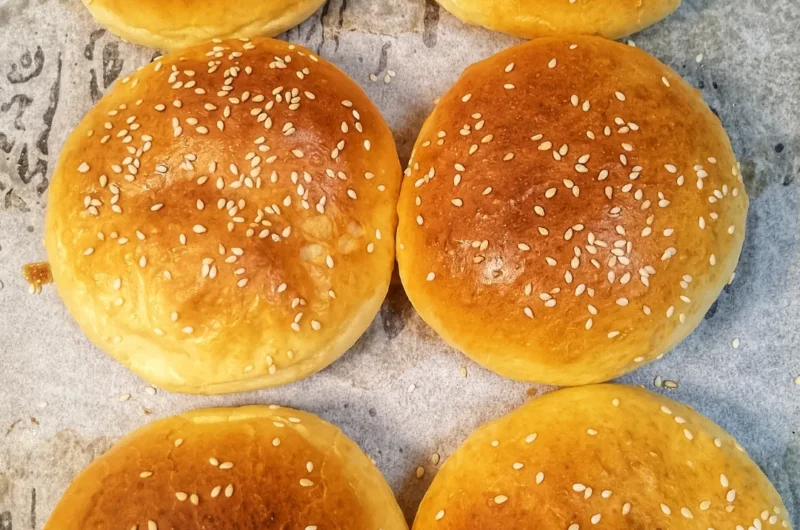
kcalSoft, fluffy hamburger buns with a light, bakery style texture made completely from scratch. These buns are gentle, slightly rich, and perfect for burgers, sandwiches, or sliders, giving you fresh homemade results every time.
Ingredients
1 cup warm milk
2¼ teaspoons active dry yeast
3 tablespoons sugar
4 tablespoons unsalted butter, softened
1 large egg
1 teaspoon salt
3½ cups all-purpose flour
Directions
- Mix warm milk, yeast, and sugar in a bowl and let it rest until foamy.
- Add butter, egg, salt, and flour, then mix until a soft dough forms.
- Knead the dough until smooth and elastic.
- Cover and let the dough rise until doubled in size.
- Divide the dough into portions and shape into buns.
- Place on a baking tray and let them rise again briefly.
- Bake at 180°C (350°F) for 14–16 minutes until lightly golden.
- Cool slightly before slicing.
Notes
- Keep the dough soft for the best texture.
- Avoid overbaking to maintain softness.
- Brushing the buns with butter after baking helps keep the tops tender.