Pumpkin Loaf: Soft, Moist, and Packed with Flavor
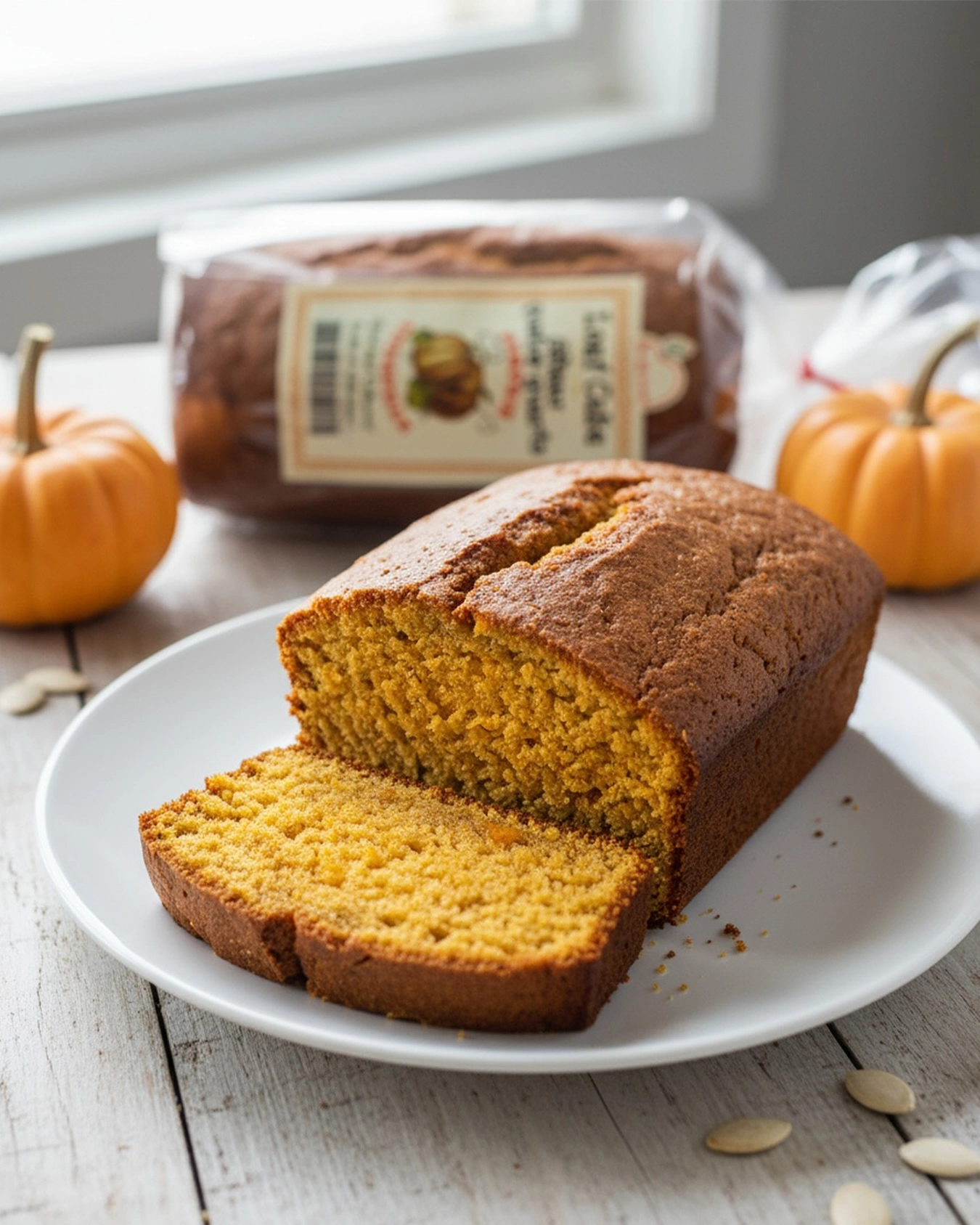
I made this loaf on a calm day when I just wanted something simple baking in the oven, and it turned out far better than I expected. The moment I sliced into it, the texture said everything. Soft from edge to center, with that deep pumpkin richness running through every bite. It felt light, smooth, and comforting in a way that made me pause and enjoy it slowly.
The whole process feels easy and steady, which makes it even better. Batter comes together without effort, and while it bakes, the kitchen fills with that warm, familiar aroma. By the time it’s ready, it already feels like something you’ll want to make again. It’s one of those recipes that quietly becomes part of your routine without you even realizing it.
What Gives Pumpkin Loaf Its Deep Flavor
Flavor in this loaf builds slowly, and that’s what makes it feel rich instead of overwhelming. Pumpkin brings a natural depth that isn’t too strong but still very noticeable in every bite. It blends into the batter so smoothly that nothing feels separate. Warm spices sit quietly in the background, adding just enough warmth to round everything out. Once it bakes, all those elements come together and create a taste that feels full and balanced without trying too hard.
Texture also plays a part in how that flavor comes through. A soft, moist crumb holds everything in place, so each slice feels even from start to finish. Nothing feels dry or flat, which helps the taste stay consistent. Letting it bake slowly at the right temperature allows those flavors to settle properly instead of rushing the process. In the end, it’s that combination of simple ingredients handled the right way that gives the loaf its deep, comforting taste.
Ingredients
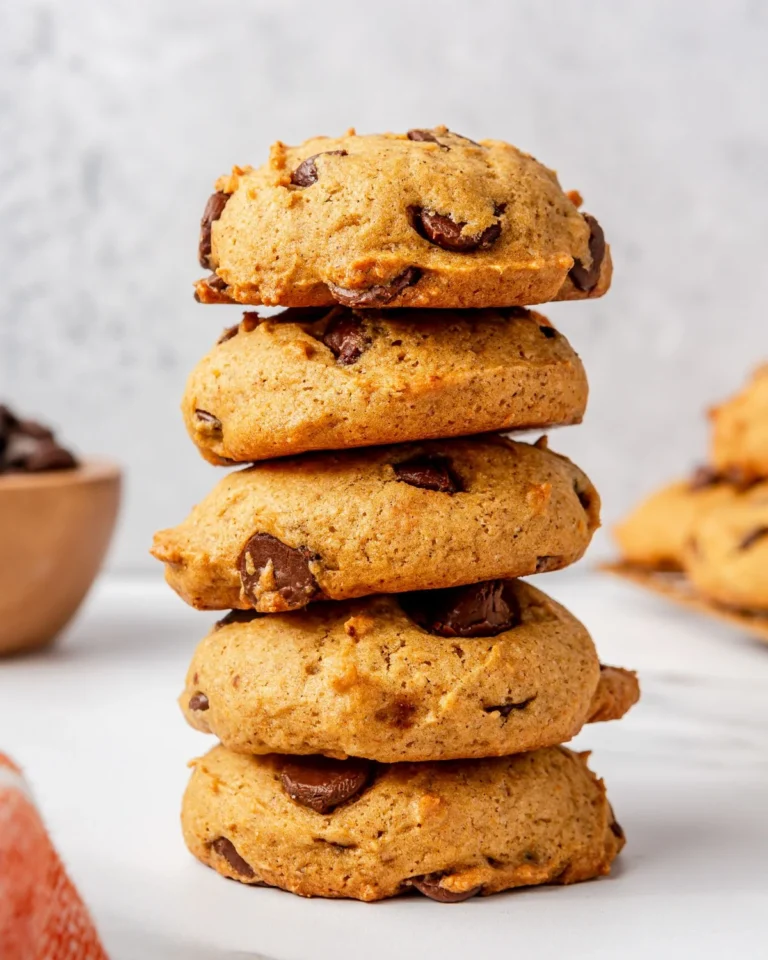
I like how simple and quick these come together. No long prep, no complicated steps, just a few basic ingredients that turn into soft, warm cookies in the air fryer.
Everything mixes into a smooth dough that feels easy to handle and bakes up just right.
- 4 tbs unsalted butter
- 6 tbs granulated sugar
- 1 tbs brown sugar
- 2 tbs egg (lightly beaten)
- ½ tbs vanilla extract
- 12 tbs all purpose flour
- ½ tbs baking soda
- ¼ tbs salt
- 4 tbs chocolate chips
Choosing the Best Pumpkin Purée
I’ve noticed that the kind of pumpkin purée you use quietly changes everything about the loaf. A thick, smooth purée blends easily into the batter and gives it that rich, even texture you want. It holds moisture in a natural way, so the loaf comes out soft without feeling heavy. Color also turns out deeper and more inviting, which makes each slice look just as good as it tastes.
Whenever the purée is too watery or uneven, it affects the whole balance. Batter feels loose, and once baked, the texture doesn’t stay as tender. I always go for a well blended purée that feels dense and consistent. That one small choice makes the loaf feel more stable, more flavorful, and much closer to the result you’re aiming for.
How to Make
Making this pumpkin loaf feels calm and steady from the start. Batter comes together smoothly without needing too much effort, and the texture already feels rich before it even goes into the oven. Everything flows naturally, and once it starts baking, the aroma builds slowly and makes the wait feel worth it.
Prepare the Batter
I start by mixing butter, pumpkin purée, and sugars until everything looks smooth and creamy. Then I add egg and vanilla and gently combine until fully blended. In another bowl, I mix flour, baking soda, salt, and spices. Once that’s ready, I slowly add the dry mixture into the wet ingredients. The batter turns thick, soft, and easy to work with.
Mix Gently
I keep the mixing light and controlled so the batter stays smooth without becoming heavy. Overmixing can change the texture, so I stop as soon as everything is combined. The goal is to keep it soft and balanced right from the start.
Pour and Set
I pour the batter into a prepared loaf pan and spread it evenly. It settles nicely on its own, and the surface smooths out without needing much adjustment.
Bake
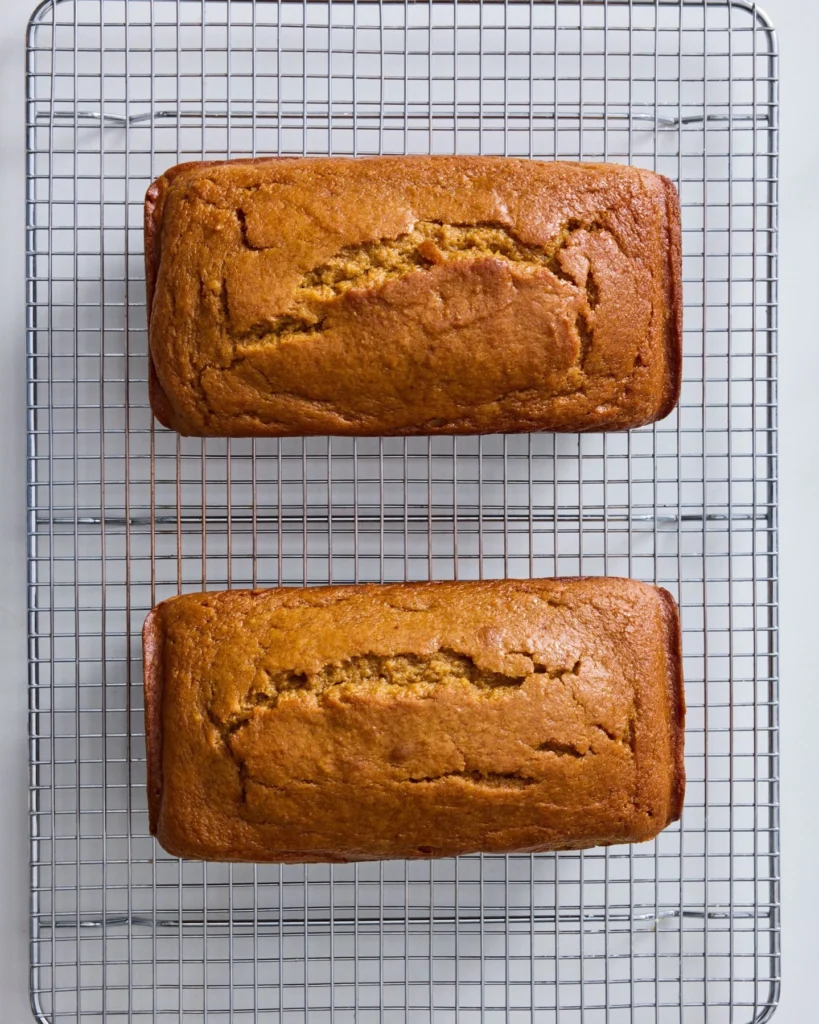
I place it in the oven and let it bake at a steady temperature. As it cooks, the top turns slightly golden while the inside stays soft. I check the center near the end to make sure it’s set without overbaking.
Cool and Slice
I let it cool before slicing so the texture can settle properly. Once cut, each slice holds together well while staying soft and tender inside.
Mixing Tips for a Soft, Tender Loaf
Getting that soft texture really starts with how gently everything is mixed. I don’t rush this part. Once the wet ingredients look smooth, I bring in the dry mixture slowly and fold it in just until it disappears. Batter should feel thick but still soft, not stiff or overworked. The moment it looks combined, I stop. That small pause makes a big difference because it keeps the loaf light instead of turning dense.
I also pay attention to how the batter feels while mixing. It should move easily, not feel tight or dry. If I keep mixing after it’s ready, the texture changes without me even noticing right away. Once baked, that extra mixing shows up as a heavier loaf. Keeping it simple, slow, and controlled helps the final result stay tender from the first slice to the last.
Pumpkin Spice Balance for Better Flavor
Getting the spice balance right makes all the difference in how the loaf comes together. I keep it gentle so the pumpkin still leads the way instead of getting covered up. Cinnamon adds warmth, while the rest of the spices sit quietly in the background and round everything out. When it’s balanced well, each bite feels smooth and comforting instead of sharp or overpowering.
I’ve noticed that adding too much spice can take away from the natural richness of the loaf. It starts to feel heavy instead of soft and inviting. I prefer building the taste slowly, letting the spices blend into the batter rather than stand out on their own. That way, the flavor feels complete, and nothing feels out of place when you take a bite.
How to Store Pumpkin Loaf Properly
Keeping it soft after baking is all about how you store it once it cools. I always let the loaf rest completely before covering it, because trapping heat too early can change the texture. Once it’s cool, I wrap it or place it in an airtight container so it holds onto that moisture. It stays soft and tender for days when it’s sealed properly, and every slice still feels fresh.
If I know I won’t finish it quickly, I move it to the fridge and keep it covered the same way. Before eating, I like to warm a slice slightly so the texture comes back to life. It feels just as soft again, almost like it was freshly baked. Simple steps like this make a big difference in keeping that perfect texture intact.
Nutritional Information
A simple breakdown gives a clear idea of what goes into each slice while still enjoying the loaf without overthinking it.
Calories: 210 kcal
Carbohydrates: 28 g
Protein: 3 g
Fat: 9 g
Saturated Fat: 4 g
Fiber: 2 g
Sugar: 14 g
Sodium: 115 mg
Potassium: 220 mg
Frequently Asked Questions
Can I use homemade pumpkin purée instead of canned?
Yes, and I’ve done it a few times. It works really well as long as the purée is thick and smooth. I make sure to blend it properly so it mixes easily into the batter. If it feels too watery, I let some moisture drain first. Once the texture is right, the loaf turns out just as soft and rich.
Why did my pumpkin loaf turn out dense?
Most of the time, it comes down to mixing a bit too much or adding extra flour without noticing. I try to mix just until everything comes together and then stop. Overworking the batter changes the texture and makes it heavier. Measuring ingredients carefully also helps keep things balanced. A lighter batter usually means a softer loaf.
How do I keep the loaf soft for longer?
I always let it cool completely and then store it in a sealed container. That helps lock in moisture and keeps the texture from drying out. Leaving it uncovered makes a big difference, and it loses softness quickly. I also warm a slice slightly before eating if it’s been stored. It brings back that fresh, soft feel again.
Can I reduce the sugar in this recipe?
Yes, but I do it carefully so the texture doesn’t change too much. Sugar helps with both taste and moisture, so reducing too much can make it less soft. I usually cut a small amount instead of a big change. The loaf still turns out good, just slightly less sweet. Balance is what keeps everything working well.
Can I freeze pumpkin loaf for later?
Yes, and it stores nicely in the freezer. I like slicing it first and wrapping each piece so I can take out only what I need. When I’m ready to eat, I let it thaw and warm it slightly. The texture stays soft, and it still tastes fresh. It’s a good way to keep it for longer without losing quality.
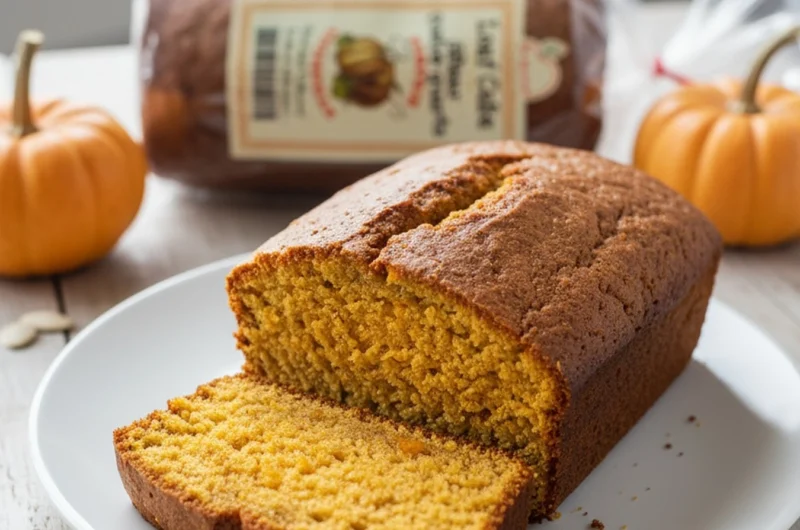
Pumpkin Loaf: Soft, Moist, and Packed with Flavor
8 slices
servings10
minutes50
minutes1680
kcalSoft and moist pumpkin loaf with a rich texture and warm spice balance. Each slice feels tender, smooth, and full of deep pumpkin taste that stays consistent even after cooling.
Ingredients
16 tbs all purpose flour
8 tbs pumpkin purée
6 tbs granulated sugar
4 tbs brown sugar
6 tbs unsalted butter
2 tbs egg (lightly beaten)
1 tbs vanilla extract
1 tbs baking soda
½ tbs salt
1 tbs ground cinnamon
½ tbs pumpkin spice
Directions
- Preheat the oven to 180°C and prepare a loaf pan by greasing it lightly.
- In a bowl, mix butter, pumpkin purée, and sugars until smooth and creamy.
- Add egg and vanilla, then mix gently until combined.
- In another bowl, combine flour, baking soda, salt, cinnamon, and pumpkin spice.
- Slowly add dry ingredients into the wet mixture and mix just until a soft batter forms.
- Pour the batter into the prepared pan and spread it evenly.
- Bake for about 45 to 50 minutes until the center is set and a toothpick comes out clean.
- Let it cool before slicing so the texture settles and stays soft.
Notes
- Do not overmix the batter to keep the loaf light and tender.
- Use thick pumpkin purée for better texture and flavor.
- Let the loaf cool properly before cutting for clean slices.