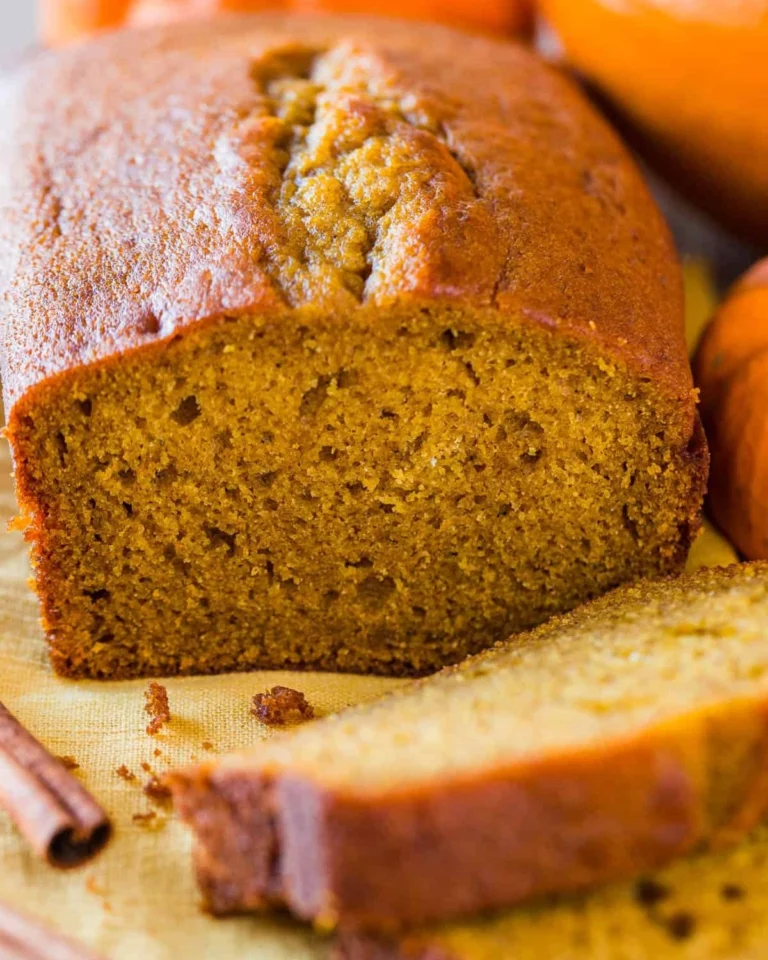
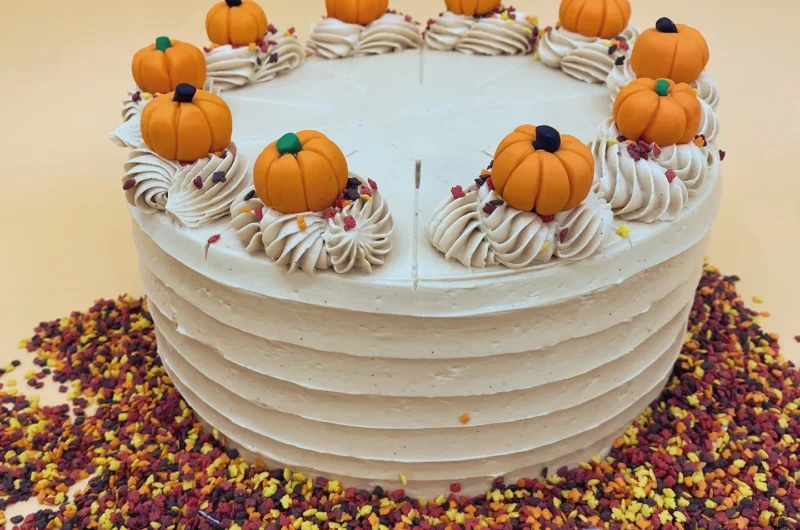
I baked this pumpkin spice cake on a day when I wanted something simple but didn’t want to guess my way through it. I wanted a cake that sliced clean, stayed soft, and didn’t dry out by the next morning. The first time it came out of the oven, I pressed lightly on the top and knew right away it was right. Not dense. Not fragile. Just soft all the way through.
What surprised me was how repeatable it was. Same result, batch after batch, as long as I followed five small steps that actually matter. Nothing complicated. Just paying attention at the right moments. If you’ve ever made a pumpkin cake that looked good but didn’t eat the way you hoped, this is the one I wish I had sooner.
Ingredients for Pumpkin Spice Cake
- 1½ cups all-purpose flour
- 1 tsp baking powder
- ½ tsp baking soda
- ½ tsp salt
- 2 tsp ground cinnamon
- 1 tsp pumpkin spice
- ½ tsp ground ginger
- ¼ tsp ground nutmeg
- ½ cup neutral oil
- ¾ cup granulated sugar
- ¼ cup brown sugar
- 2 large eggs
- 1 cup pumpkin puree
- 1 tsp vanilla extract
- ¼ cup milk
How to Make Pumpkin Spice Cake
This cake comes together without drama, which is exactly why I keep coming back to it. No long mixing. No guessing when to stop. Just a few clear steps that lead to the same soft result every time. Once you’ve made it once, the rhythm feels familiar.
Get the Pan and Oven Ready
I start by preheating the oven and lining or greasing the pan. I do this first so there’s no waiting later. Having everything ready makes the rest feel smooth instead of rushed.
Mix the Dry Ingredients
In one bowl, I whisk together the flour, baking powder, baking soda, salt, and all the spices. I make sure they’re evenly mixed so nothing clumps later. This step keeps the crumb even.
Combine the Wet Ingredients
In another bowl, I mix the oil, sugars, eggs, pumpkin puree, vanilla, and milk. I stir until it looks unified and smooth. No need to beat it hard. Just bring it together.
Bring Everything Together
I add the dry ingredients to the wet and fold gently. I stop as soon as the batter looks even. Overmixing is the fastest way to lose that soft texture.
Bake and Let It Set
I pour the batter into the pan and bake until the center springs back lightly when touched. Once it’s out, I let it cool in the pan for a bit before moving it. That short rest matters.
5 Steps to a Cloud-Soft Crumb
I didn’t come up with these all at once. Each step showed up after a cake that was close, but not quite there. Measuring the flour carefully matters more than adding extra spice. Mixing just until the batter comes together keeps the texture light. Using oil instead of butter makes the crumb stay soft even after it cools.
The rest is about timing and patience. Baking until the center responds, not until it looks dry. Letting the cake cool before slicing so it finishes setting on its own. None of these steps are complicated, but skipping even one changes the result. Together, they’re what give this cake its soft, even crumb every time.
Simple Swaps If You Need Them
I’ve made this cake enough times to know that sometimes you’re short on one thing and don’t feel like running to the store. You can swap the oil for melted butter if that’s what you have, and the cake will still bake up soft, just slightly different in texture. Milk can be replaced with any neutral option you normally use. I’ve done it without stressing, and it holds up.
If you need to adjust the spices, that’s fine too. Skip one if you’re out. Add a little more cinnamon if that’s what you reach for. The base of the cake is solid, so small changes don’t throw it off. As long as you keep the mixing gentle and don’t rush the bake, it still turns out the way you want it to.
When This Pumpkin Spice Cake Fits the Moment Perfectly
I usually make this cake when I want something that feels put together without taking over the day. It works when you need a simple dessert that doesn’t need layers or decoration to stand on its own. Slice it, set it out, and it does what it’s supposed to do.
It also shows up well when you want something reliable. A small gathering. A quiet weekend. Or a bake that lasts into the next day without drying out. This is the kind of cake I choose when I want the result to be right without turning baking into a whole project.
Keeping the Cake Soft After Baking
Once the cake is out of the oven, I let it cool in the pan for a bit before moving it. Rushing this part usually causes problems later. That short rest helps the structure settle so the inside stays tender instead of breaking apart.
After it’s fully cooled, I cover it well. If it’s staying on the counter, I wrap it tightly or use a sealed container. If I know it’ll be around for a few days, I refrigerate it and bring slices back to room temperature before serving. Done this way, it stays soft instead of drying out.
Nutritional Information
I treat this as a general reference, not something exact. These values are an estimate for one slice, based on a standard cut and the ingredients used. Small changes in pan size or portioning can shift the numbers.
Calories: about 260 kcal
Fat: about 12 g
Saturated Fat: about 2 g
Carbohydrates: about 34 g
Sugar: about 18 g
Protein: about 4 g
Fiber: about 2 g
Sodium: about 220 mg
Frequently Asked Questions
Why did my cake sink in the middle?
This usually happens when the center isn’t fully set yet. Opening the oven door too early can cause a sudden temperature drop that affects the structure. I wait until the cake looks evenly baked before checking. Letting it finish properly makes a big difference.
Can I bake this in a different pan?
Yes, you just need to watch the time. A thinner pan will bake faster, while a deeper one needs more time. I keep an eye on the center and go by how it responds to a light touch rather than the clock.
Do I need to bring the ingredients to room temperature?
I’ve found it helps, especially with the eggs and milk. Room temperature ingredients mix more evenly and give a smoother batter. It’s not a deal breaker, but it does improve consistency.
How do I know when the cake is done without over baking it?
I gently press the center with my finger. If it springs back and doesn’t leave an impression, it’s ready. A toothpick should come out mostly clean, not wet with batter.
Can this cake be frozen?
Yes, and it holds up well. I let it cool completely, wrap it tightly, and freeze it whole or in slices. Thawed at room temperature, it still stays soft and slices clean.
Pumpkin Spice Cake: 5 Steps to a Cloud-Soft Crumb
Course: All by Emily10 slices
servings15
minutes40
minutes2,600
kcalA simple pumpkin spice cake built around five small steps that control texture from start to finish. This cake bakes evenly, slices clean, and stays soft well after it cools.
Ingredients
1½ cups all-purpose flour
1 tsp baking powder
½ tsp baking soda
½ tsp salt
2 tsp ground cinnamon
1 tsp pumpkin spice
½ tsp ground ginger
¼ tsp ground nutmeg
½ cup neutral oil
¾ cup granulated sugar
¼ cup brown sugar
2 large eggs
1 cup pumpkin puree
1 tsp vanilla extract
¼ cup milk
Directions
- Preheat the oven to 350°F and prepare the baking pan.
- In a bowl, whisk together flour, baking powder, baking soda, salt, and spices.
- In a separate bowl, mix oil, sugars, eggs, pumpkin puree, vanilla, and milk until smooth.
- Add the dry ingredients to the wet and fold gently until just combined.
- Pour the batter into the pan and bake until the center springs back lightly when touched.
- Cool briefly in the pan, then transfer and cool fully before slicing.
Notes
- Measure flour carefully to avoid a dense result.
- Stop mixing as soon as the batter comes together.
- Allow the cake to cool before slicing to let the structure finish setting.