Oh I am genuinely excited about this one because sourdough hamburger buns are one of those things that feel complicated but are actually so rewarding once you get them right. That first moment when you slice into a soft bun with that light sourdough flavor and just the right chew… it’s magic. These buns take your burgers from good to bakery level, and honestly, once you make them at home, store bought buns just don’t hit the same anymore.
I’ve made my fair share of sourdough bun mistakes, and that’s exactly why I’m sharing this recipe with you. Little things can make a big difference here, and avoiding a few common slip ups is the key to getting soft, fluffy buns that still have that beautiful sourdough character. This guide walks you through what to watch out for so your buns come out light, flavorful, and absolutely worth the effort every single time.
Ingredients for Sourdough Hamburger Buns
I love how simple the ingredient list is for these sourdough hamburger buns. Nothing over the top, just everyday baking basics that come together to create soft, flavorful buns with that perfect sourdough touch. When the ingredients are this straightforward, you can really let the dough and fermentation do their thing.
- 1 cup active sourdough starter
- 3 cups all purpose flour
- 1/2 cup warm milk
- 2 tablespoons sugar
- 2 tablespoons butter, softened
- 1 large egg
- 1 teaspoon salt
These ingredients work together to give you buns that are soft, lightly chewy, and sturdy enough to hold all your favorite burger fillings without falling apart.
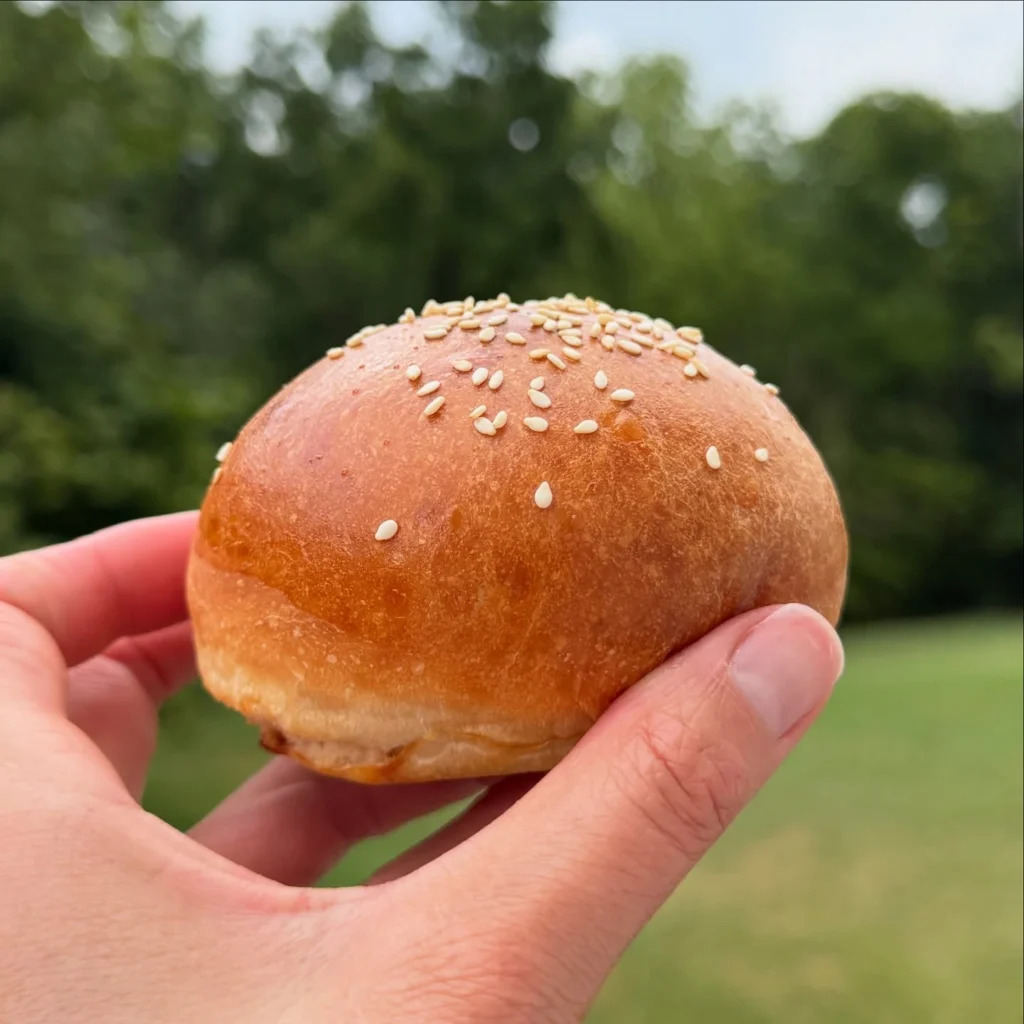
How To Prepare Sourdough Hamburger Buns
Before we get into the steps, let me say this part is where everything starts to feel real. Making sourdough hamburger buns is such a hands on, satisfying process. The dough comes together slowly, you get to feel it change under your hands, and by the time it’s ready, you already know these buns are going to be special. Take your time here. There’s no rush, and that’s kind of the beauty of sourdough.
Mix the Dough
I start by adding the active sourdough starter, warm milk, sugar, butter, egg, and salt into a large bowl. I give everything a good mix, then slowly add the flour until a soft dough forms. It might look a little shaggy at first, and that’s totally fine.
Knead Until Smooth
Once the dough comes together, I knead it until it feels smooth and elastic. This usually takes about 8 to 10 minutes by hand. The dough should feel soft but not sticky, and it should bounce back slightly when you press it with your finger.
First Rise
I place the dough in a lightly greased bowl, cover it, and let it rise at room temperature until it looks puffy and relaxed. Depending on your starter and room temperature, this can take a few hours. I always go by how the dough looks and feels rather than the clock.
Shape the Buns
After the first rise, I gently divide the dough into equal portions and shape them into smooth balls. I place them on a lined baking tray, leaving enough space between each one so they can expand without touching.
Final Rise and Bake
I let the shaped buns rise again until they look light and airy. Then they go into a preheated oven until golden on top and beautifully soft inside. Once they’re out, I let them cool slightly before slicing, and that’s when the real excitement kicks in.
6 Common Mistakes to Avoid
When making sourdough hamburger buns, a few small mistakes can really change the final result. Using a starter that isn’t active enough is one of the biggest ones, because without good fermentation the buns won’t rise properly or develop that soft texture. Adding too much flour can also cause trouble. The dough should feel soft and slightly tacky, not stiff. Rushing the rise is another common issue. Sourdough needs patience, and giving the dough enough time is what builds both flavor and lightness.
Shaping and baking matter just as much as the dough itself. Skipping proper shaping can lead to uneven buns that don’t bake well, while an oven that’s too hot can brown the outside before the inside is fully cooked. One last mistake is slicing the buns too soon. Letting them cool for a bit helps the crumb set and keeps them fluffy instead of gummy. Avoid these missteps, and your sourdough hamburger buns will turn out soft, airy, and bakery worthy every time.
Nutritional Information
I like to keep nutrition honest and easy to understand, especially when it comes to homemade bread. With these sourdough hamburger buns, you know exactly what’s going into the dough, which already feels like a better choice than most packaged buns. The numbers below are estimates, but they give a clear idea of what one bun looks like nutritionally.
Per bun, approximately:
Calories: 215
Carbohydrates: 34 g
Protein: 6 g
Fat: 5 g
Sugar: 5 g
Fiber: 1 g
Portion size and fermentation time can slightly change these values, but overall these buns fit comfortably into everyday meals. Soft, fresh, and homemade with sourdough flavor always feel like a win.
Storage And Reheating
These sourdough hamburger buns store really well, which is great because you can make a batch and enjoy them over a few days. Once the buns are completely cooled, I keep them in an airtight container or a sealed bag at room temperature. They stay soft and fresh for up to two days without any trouble.
For longer storage, the freezer works beautifully. I slice the buns, wrap them well, and freeze them for up to two months. When it’s time to reheat, a quick toast or a few minutes in a warm oven brings them right back to life. If they’re frozen, let them thaw first, then warm gently so they stay soft instead of drying out.
Frequently Asked Questions
Do sourdough hamburger buns taste very sour?
Not at all. These buns have a mild, balanced sourdough flavor that isn’t overpowering. The fermentation adds depth without making them overly tangy, especially when the rise time is kept moderate.
Can I make these buns with discard instead of active starter?
It’s best to use an active, bubbly starter for this recipe. Discard doesn’t have enough strength to give the buns a proper rise, which can lead to dense results.
Why are my buns turning out dense instead of fluffy?
Dense buns usually mean the dough didn’t rise long enough or the starter wasn’t active. Giving the dough enough time and avoiding extra flour helps keep the texture light.
Can I make the dough ahead of time?
Yes, you can prepare the dough and let it rise slowly in the refrigerator overnight. This can actually improve flavor and makes baking the next day more convenient.
Do I need a stand mixer for this recipe?
No, a stand mixer isn’t required. You can knead the dough by hand with great results. It just takes a little patience and a bit of elbow grease.
Can I use these buns for sandwiches other than burgers?
Absolutely. These buns are sturdy yet soft, making them perfect for chicken sandwiches, pulled meat, or even breakfast sandwiches.
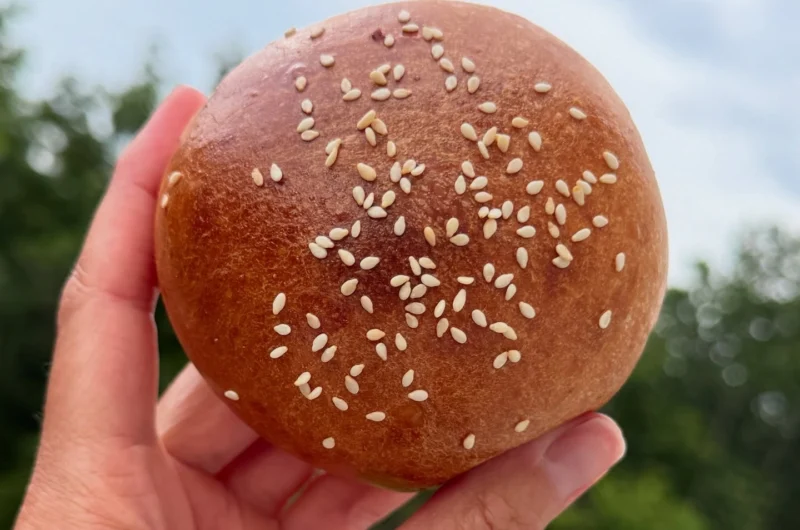
Sourdough Hamburger Buns Recipe: 6 Common Mistakes to Avoid
Course: Hamburger Recipes8 buns
servings20
minutes18
minutes~1,720
kcalSoft, fluffy sourdough hamburger buns with a light chew and gentle tang. These homemade buns are sturdy enough for burgers yet tender inside, making them a perfect upgrade from store bought buns.
Ingredients
1 cup active sourdough starter
3 cups all purpose flour
1/2 cup warm milk
2 tablespoons sugar
2 tablespoons butter, softened
1 large egg
1 teaspoon salt
Directions
- In a large bowl, mix the sourdough starter, warm milk, sugar, butter, egg, and salt until well combined.
- Gradually add the flour and mix until a soft dough forms.
- Knead the dough until it becomes smooth and elastic.
- Place the dough in a lightly greased bowl, cover, and let it rise until puffy.
- Divide the dough into equal portions and shape each portion into a bun.
- Arrange the buns on a lined baking tray, leaving space between them.
- Allow the buns to rise again until light and airy.
- Bake in a preheated oven until golden and fully cooked.
- Let the buns cool slightly before slicing and serving.
Notes
- Rise time will vary depending on starter strength and room temperature.
- Avoid adding too much flour to keep the buns soft.
- Let buns cool before slicing to maintain a fluffy crumb.